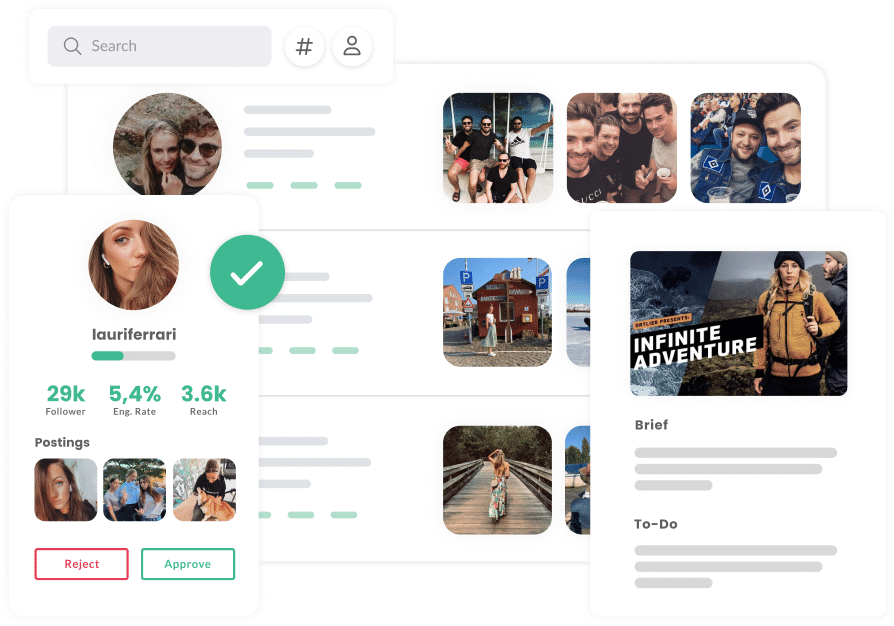
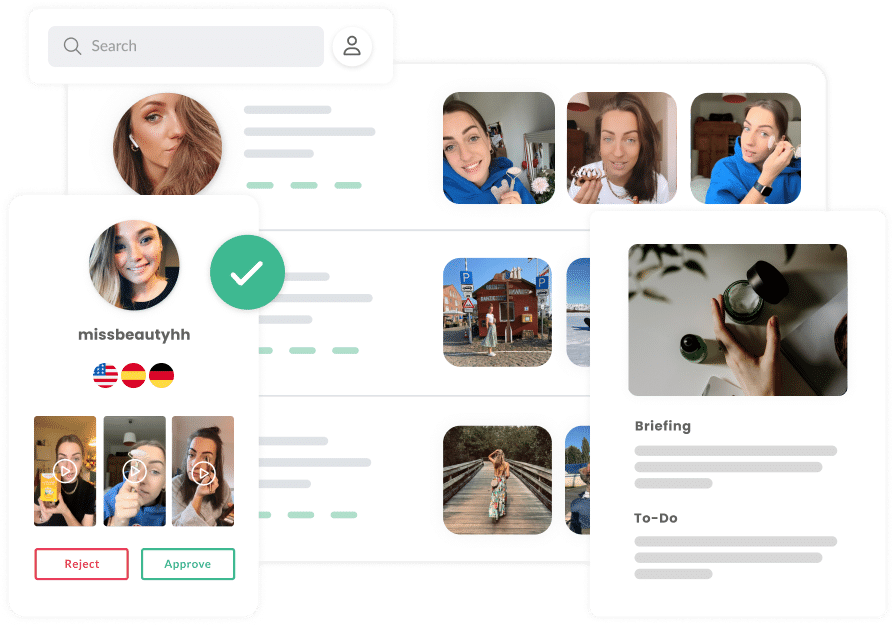

The reflex at the start of every campaign is the same: open the influencer database, filter by reach, niche, and region, export the list, start outreach. Three days later the first replies trickle back — single-digit reply rates, plenty of polite “maybes”, little real enthusiasm. If you’ve been there, you know it’s rarely just the pitch.
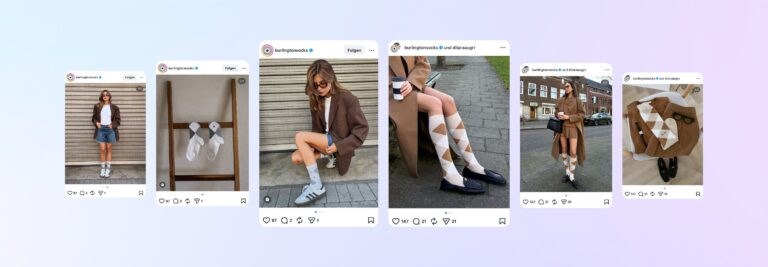
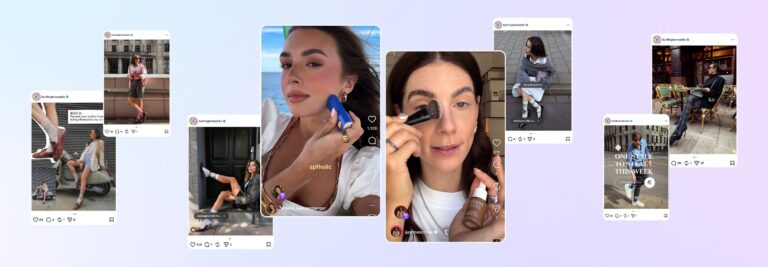
But the database isn’t really the problem either. The problem is that the search starts from zero — while the most valuable creators are already talking about your brand, just without anyone noticing. They’re wearing your product in a Reel, tagging you in a Story, showing the new kitchen with your sofa in the background. And they’re still on no list anywhere.
Moving from a classic influencer database to community monitoring isn’t a simple tool swap. It’s a fundamental shift in approach. And it’s that approach that decides how high your reply rate is, how much time goes into negotiation and briefing per creator, and how authentic your creator partnerships actually feel in the end.
1. Influencer Databases Deliver Lists — Community Monitoring Delivers Relationships
Classic influencer databases are good at what they were built for: filtered lists by reach, demographics, region, and topic. If you need 50 beauty creators in France with 100k+ followers, you’ll have them in minutes.
What these tools structurally cannot deliver: brand affinity, an existing relationship, real product knowledge. That’s exactly why campaigns that operate from database logic stay operationally expensive — every new partnership starts at zero.
Dimension | Classic Influencer Database | Community-Monitoring |
| Starting Point | Filter criteria (reach, region, niche) | Creators who already tag or feature your brand |
| Relationship to the brand | Unknown | Already exists, organic |
| Effort per creator | 2–3 hours (research, briefing, nurture) | Minutes — the relationship already exists |
| Reply-Rate | Single-digit to low double-digit percent | Up to 7x higher with creators who already know you |
| Scaling logic | More filters, more lists, more outreach | Always-on, your pool grows continuously |
2. Cold Influencer Outreach Doesn’t Fail at the Pitch — It Fails at the Starting Point
Cold outreach means: explain your brand, build trust, land the pitch, send the briefing — all in a single DM that disappears alongside 200 other requests in the same inbox. Sure, plenty of bad templates exist — but even the genuinely well-written ones get lost from this position. It’s the starting point, not just the wording.
With a creator who already knows you and uses your product, that first step disappears completely. The relationship already exists — it just was never formalised. Cold outreach turns into “Hey, we saw your post and would love to make this an official partnership.” That’s not an outreach trick. That’s a different starting point.
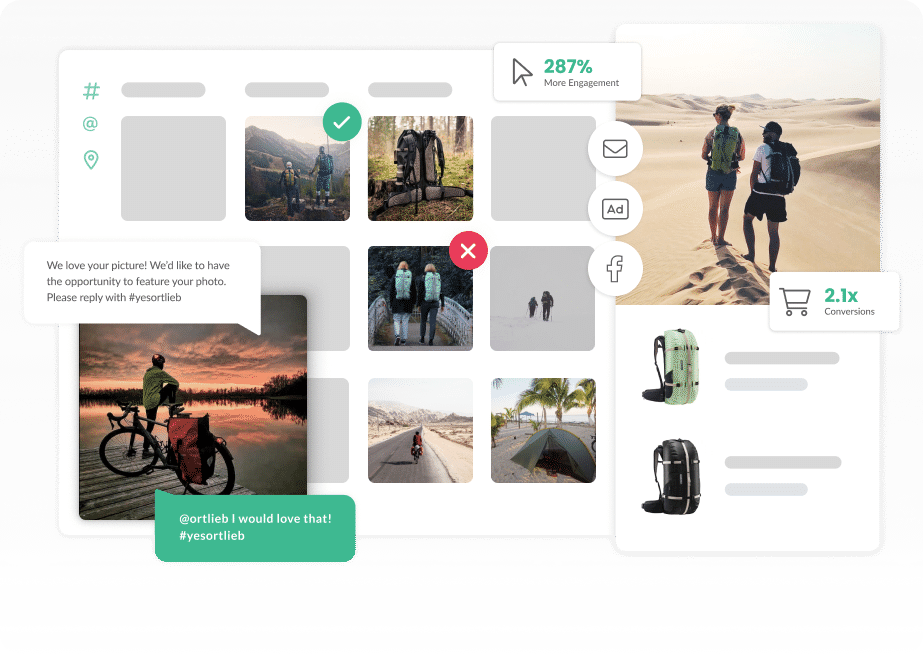
The effect is measurable. Creators who already know your brand show up to 7x higher willingness to collaborate than profiles approached cold from classic influencer databases — and that’s without changing the pitch or the fee.
Picture two DMs going out on the same morning. One to a creator who wore your new outfit in her Story yesterday and tagged you. The other to someone the tool is showing your logo to for the first time. Which of those DMs reads as a welcome opportunity, which reads as spam?
That difference is structurally baked into every campaign you run.e an eine Creatorin, die gestern in ihrer Story dein neues Outfit getragen und dich getaggt hat — die andere an jemanden, dem das Tool dein Logo zum ersten Mal zeigt. Welche dieser DMs liest sich für die Empfängerin wie eine willkommene Gelegenheit, welche wie Spam? Genau diese Differenz steckt strukturell in jeder Kampagne, die du fährst.
3. Your Community Is Already a Creator Pool — You Just Can’t See It
You probably have more creators regularly tagging, mentioning, or posting about your brand than you actually know by name. The affinity isn’t missing. The systematic monitoring is.
What happens if you take the last 90 days of mentions, tags, and tagged content and analyse them properly? Experience shows there’s a surprisingly high number of potential creator partners hiding there — people who appear in no influencer database. People who voluntarily featured your cereal in a breakfast Reel, your sneakers in a Reel, or your skincare product in their morning routine.
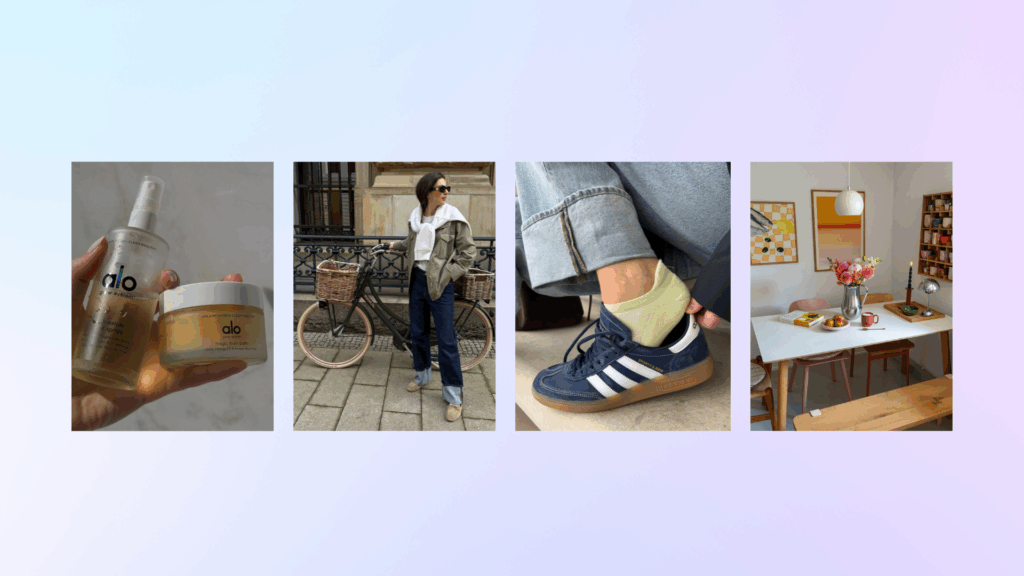
This isn’t a theoretical exercise. It’s a list you’ve been carrying inside your own followers all along — just unsorted, unranked, unused.
This is exactly where an influencer discovery tool like squarelovin comes in — built not just to find new creators, but to make visible the ones who are already there.
4. The Efficiency Effect: 90% Less Time Per Creator Because You’re Not Starting From Zero
The 90% isn’t a marketing promise. It’s a consequence of several steps simply falling away when the creator already knows you.
- No brand briefing needed — they already use your product.
- A shorter nurture phase — the trust is already there.
- Higher brand fit — the creator voluntarily posted in your brand’s look long before anyone asked them to.
- Fewer iterations on content approval — because the understanding of your product and brand world is already in the imagery.
A 2–3-hour research and onboarding process per creator turns into something that runs in minutes. Multiplied across a campaign with 30 partnerships, that’s the difference between a week of operational work and an afternoon and creates space for what truly makes creator marketing better: briefings with more courage for creative freedom.
5. From Campaign Crunch to Always-On Discovery
The classic mode: three weeks before launch, hectic searching, briefing, negotiating, hoping. Every campaign is its own sprint, every shortlist starts from scratch.
Always-on creator discovery from squarelovin flips that. Creators who already know your brand are continuously identified, your pool grows in the background, and by the next launch your shortlist is already there — enriched with engagement data, past posts, and brand collaborations.
Campaign planning shifts from bottleneck to routine. That’s the operational consequence when your tool doesn’t only search when you search, but constantly watches what’s happening in your community.
6. Scaling Beyond Your Own Community: AI Lookalikes as a Bridge
The honest question: what if your community is still too small to feed enough creator partnerships from?
That’s where lookalikes come in. Based on the creators you already work with successfully — or the ones you particularly love — squarelovin can generate further suggestions and gently widen the search. That’s the point at which discovery beyond your own community is still thought of community-first, not database-first.
7. When Influencer Databases Are Still the Right Tool
Influencer databases stay strong when reach is your primary goal — for high-volume awareness campaigns, for entering new regions where you don’t yet have a community, or when a specific demographic segment needs to be reached precisely.
Most strong creator programmes combine both. But in the right order: first depth from your own community, then breadth from the database — not the other way around. Starting with the database means building relationships from the outside in. Starting with community monitoring means building from the inside out.
The second route scales better, because every new campaign builds on what the last one left behind. (Studies like the annual State of Influencer Marketing Report point in the same direction: brand affinity is becoming a harder selection criterion than pure reach.)
Conclusion
Moving from searching to finding isn’t just a matter of software. It’s a different philosophy for your creator marketing—moving away from “starting at zero” toward “building on what’s already there.”
Influencer databases provide breadth; community monitoring provides depth. By using both in the right order, you stop building piles of contacts and start building a network of relationships that becomes more valuable with every campaign. This approach creates space for what truly makes creator marketing better: briefings with more courage for creative freedom.